Copyright © Petroliam Nasional Berhad (PETRONAS) (20076-K).
All rights reserved.

Pengerang Integrated Complex

-
Integrated Operations:
Driving High-Value Returns Chain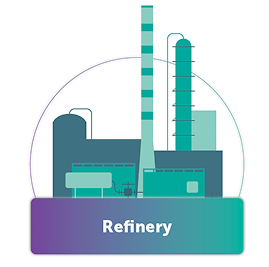
300,000 bpd
barrels of petroleum products dailyGasoline Euro 5
Diesel Euro 5
Jet A1
Slurry
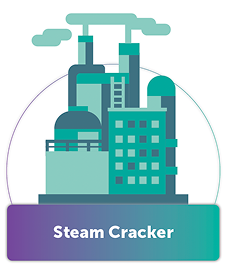
3.4 million tonnes
of products annuallyEthylene
Propylene
Butadiene
Benzene
Raffinate-2
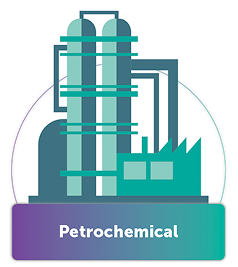
3.3 million tonnes
of petrochemical products annuallyPolymers:
LLDPE, HDPE, PP
Glycols:
MEG, DEG, TEG
Isononanol
Nitrile Butadiene Latex
- Integrated Plants
- Integrated Utilities & Services
- Lifestyle Facilities
PIC is home to the nation's only integrated refinery, steam cracker and petrochemical plants, with the capacity to provide a reliable supply of feedstock.
The Refinery Complex and selected Petrochemical Complex are owned and operated by Pengerang Refining Company Sdn. Bhd. and Pengerang Petrochemical Sdn. Bhd. (collectively known as PRefChem), a joint venture between PETRONAS and Saudi Aramco.
Contribution / leadership role
×
Refinery Complex
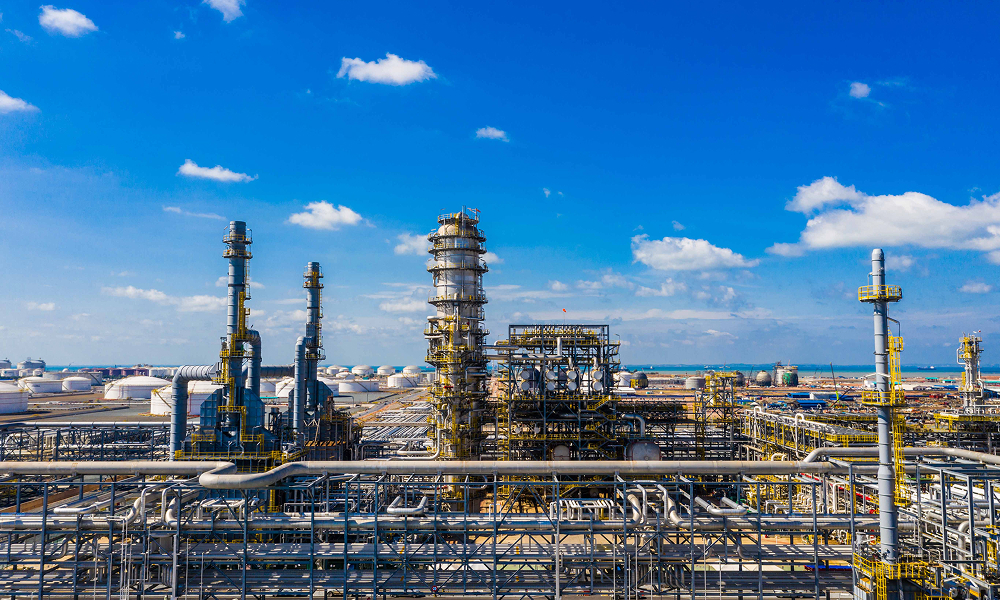
At the heart of PIC is the Refinery Complex, one of the largest in Southeast Asia.
This full conversion complex processes up to 300,000 barrels per day (bpd) of various crudes, providing feedstock to the Steam Cracker Complex. Products include Gasoline Euro 5, Diesel Euro 5, Jet A1 and Slurry.
Critical units in the refinery have a multiple-train configuration to ensure that production is uninterrupted to offer the highest levels of reliability.
The complex has multiple trains to ensure enhanced production reliability. Some of its process units are unique to the refinery, featuring world class technologies applied for the first time in Malaysia. Among these is the Kerosene HydroTreater (KHT) unit, which is specifically designed to produce dual purpose kerosene for jet fuel, as well as for domestic use.
Another novel technology is the resin- based amine reclaiming facility, which continuously cleans the amine solvent and prevents the traditional problem of foaming in the absorbers. PETRONAS' in-house technologies are also widely employed. For instance, advanced high-efficiency trays have been installed in the distillations columns to maximise process efficiency.
Emissions from the refinery comply with stringent international standards, and zero flaring is made possible by a Flare Gas Recovery System (FGRS).
Contribution / leadership role
×
Steam Cracker Complex
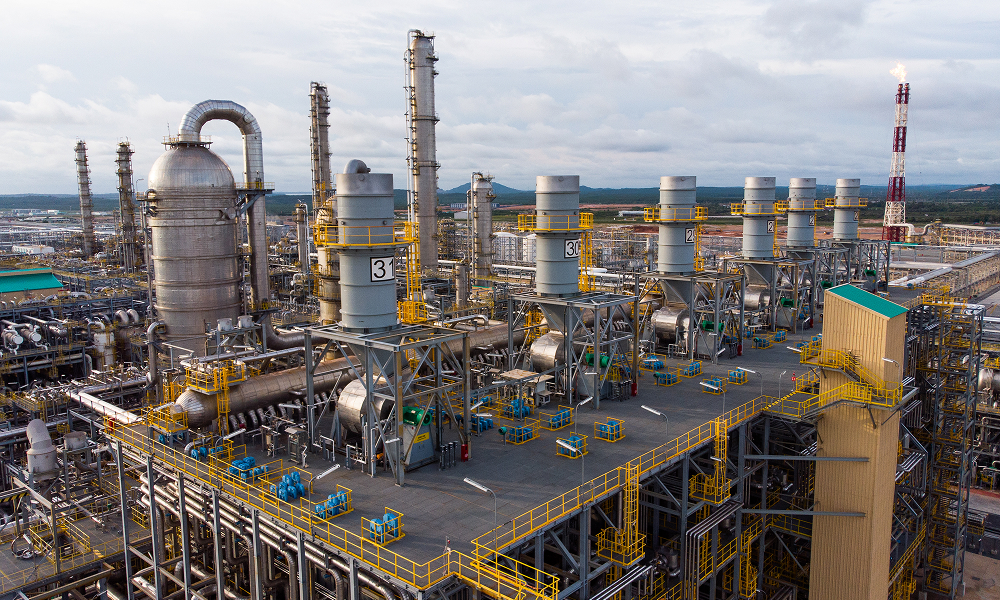
The Steam Cracker Complex is the single largest plant in PIC, providing feedstock to the Petrochemical Complex, generating an impressive 3.4 million tonnes per annum (MTPA). Products include Ethylene, Propylene, Butadiene, Benzene and Raffinate-2.
Steam cracking is the single most energy-consuming process in the chemical industry, therefore advanced naphtha cracking technologies are needed to drastically reduced energy consumption. For example, in the pyrolysis section, usage of advanced coil and furnace materials translate into major energy savings. The furnaces at the complex are the largest installed in Malaysia, featuring low nitrogen burners to minimise emissions.
The refrigeration system in the Steam Cracker Unit combines the conventional cascaded refrigeration systems into a single system with two components - ethylene and propylene thereby reducing the number of compressors and footprint.
Contribution / leadership role
×
Petrochemical Complex
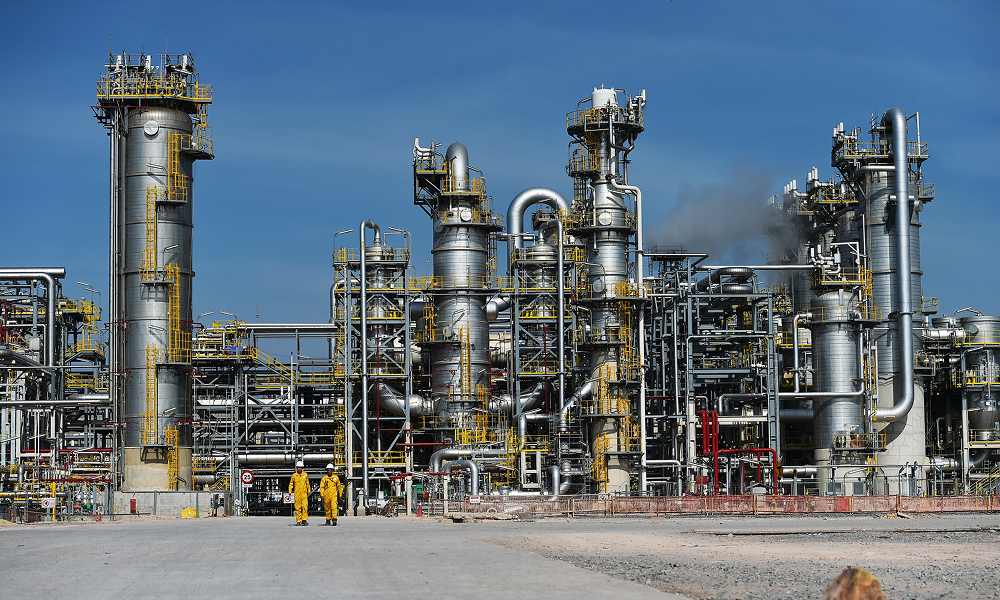
The Petrochemical Complex in PIC comprises three main facilities - polymers, glycols and specialty chemicals.
Together, they produce over 3.3 million tonnes of a diverse range of petrochemicals, including polymers (High Density Polyethylene, Linear Low Density Polyethylene, Polypropylene), glycols (Monoethylene Glycols, Diethylene Glycols, Triethylene Glycols) and specialty chemicals (Isononanol, Nitrile Butadiene Latex).
These critical raw materials serve as foundational components for millions of consumer products that underpin modern lifestyles.
Innovative technologies seen for the first time in Malaysia include the specialty chemical Isononanol process, as well as processes for Ethylene Oxide and Ethylene Glycol (EOEG) production.
The Polypropylene, Low Density Polyethylene, and High Density Polyethylene plants in the complex are mostly electrical-driven, operating at high levels of energy efficiency.Nitrile Butadiene Latex
Marking a significant milestone in PIC's growth journey, the Nitrile Butadiene Latex (NBL) plant, operated by LG PETRONAS Chemicals (LGPC), a joint venture between LG Chem and PETRONAS Chemicals Group stands as our first expansion project. This development reinforces our position as a key player in the energy and petrochemical industry.
The facility specialises in the production of high-quality synthetic rubber, with a dedicated focus on NBL and an annual production capacity of 200,000 kilo tonnes per annum (KTPA). Products include NB Latex grades NL105, NL125, and an expanding range of offerings.
NBL, a synthetic latex, is widely used in the manufacturing of disposable gloves for healthcare, chemical, semiconductor, and other highly specialised industries due to its superior tensile strength, oil resistance, and durability. Leveraging leading-edge technologies and global expertise, the plant delivers products of exceptional quality and performance.Isononanol
As Malaysia’s first Isononanol production facility, PETRONAS Chemicals Isononanol (PC INA) sets a new benchmark in high-purity chemical manufacturing. Powered by High Pressure Reactor Technology, the plant delivers ultra-high purity INA (99.8%), reinforcing our commitment to operational excellence and quality.
PC INA is built on a dual-unit configuration:
- Iso-Octene (IOC) Unit: Converts Raffinate-II into Iso-Octene with a robust capacity of 235,000 kilo tonnes per annum (KPTA), forming the backbone of the INA synthesis process.
- Isononanol (INA) Unit: Operates a continuous, high-pressure Oxo process to produce Isononanol at 250,000 kilo tonnes per annum (KPTA), ensuring consistent output and operational reliability.
Together, these units form a highly integrated production complex, positioning PC INA as a strategic asset within PIC petrochemical ecosystem and a key contributor to the regional chemicals market.
Beyond the core production, PC INA maximises resource efficiency by generating high-value byproduct, including:
- Raffinate-3
- C8 Hydrocarbons
- Iso-Dodecene (C12)
- Heavier Olefins (C16+)
These outputs enhance operational sustainability and open avenues for downstream applications and market expansion.
PIC offers a comprehensive suite of integrated utilities and services designed to support and optimise industrial operations. Backed by world-class facilities, state-of-the-art infrastructure, and a strategic location, PIC delivers reliable, efficient, and sustainable resources—empowering businesses to achieve operational excellence and long-term growth in a globally competitive landscape.
Contribution / leadership role
×
Power and Steam
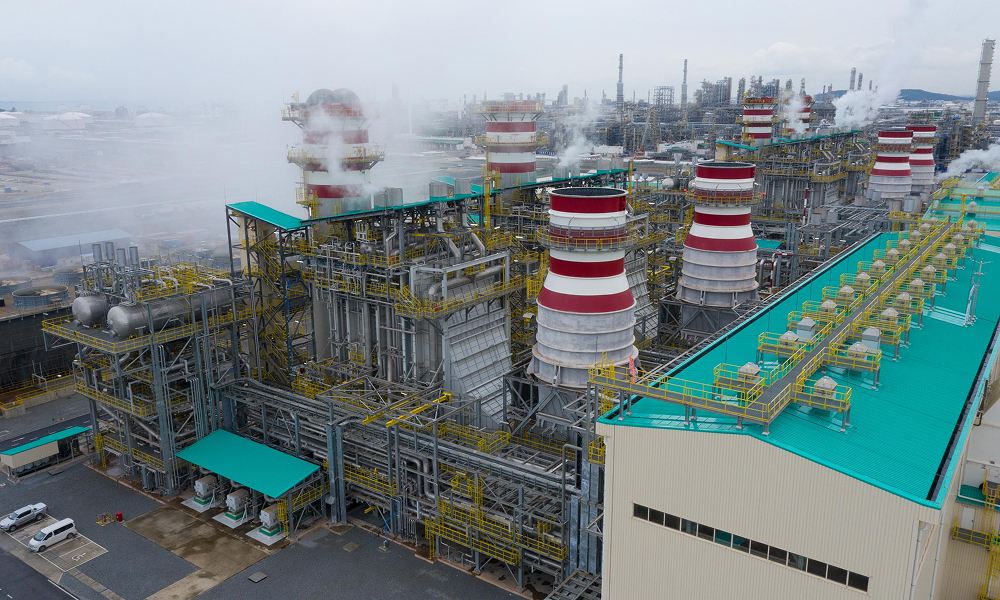
Pengerang Cogeneration Plant (PCP) is a stand-alone, state-of-the-art power and steam provider to PIC using highly efficient cogeneration technology.
Fuelled by natural gas, the plant has a total capacity of 1,729 megawatts (MW) of electricity and up to 3,388 tonnes per hour (tph) of steam, which is 20% more efficient than most combined cycle technology.
Recognised for its scale and innovation, PCP is listed in The Malaysia Book of Records as the largest cogeneration plant with a full-fledged Power Purchase Agreement (PPA), featuring a minimum total supply capacity of 1,220 megawatts (MW).
The PCP delivers exceptional power and steam reliability at the lowest generation cost, leveraging its unique engineering and cutting-edge digitalisation.
Its advanced technology repurposes waste heat, maximising energy output and efficiency while reducing Carbon Dioxide (CO2) emissions by 1.3 million tonnes (MMT) annually, demonstrating a strong commitment to sustainability and operational excellence.
The plant optimises productivity and minimises downtime through consistent energy delivery.
With H-Class gas turbine, our cogeneration system sets a new benchmark in high efficiency with low-cost power generation. With an impressively low emission factor of just 0.22 metric tonnes of carbon dioxide (tCO2) per megawatt hour (MWh)—substantially below industry averages, our power generation process offers a cleaner source of brown power.
A firm capacity of 600 megawatts (MW) is contractually committed to the National Grid under the Power Purchase Agreement (PPA), enhancing the reliability of Malaysia’s power system.
PCP was awarded 'Sustainable Plant of the Year 2024' by Asian Downstream Summit Awards, Singapore.
Contribution / leadership role
×
Water,Utilities and Offsite Facilities
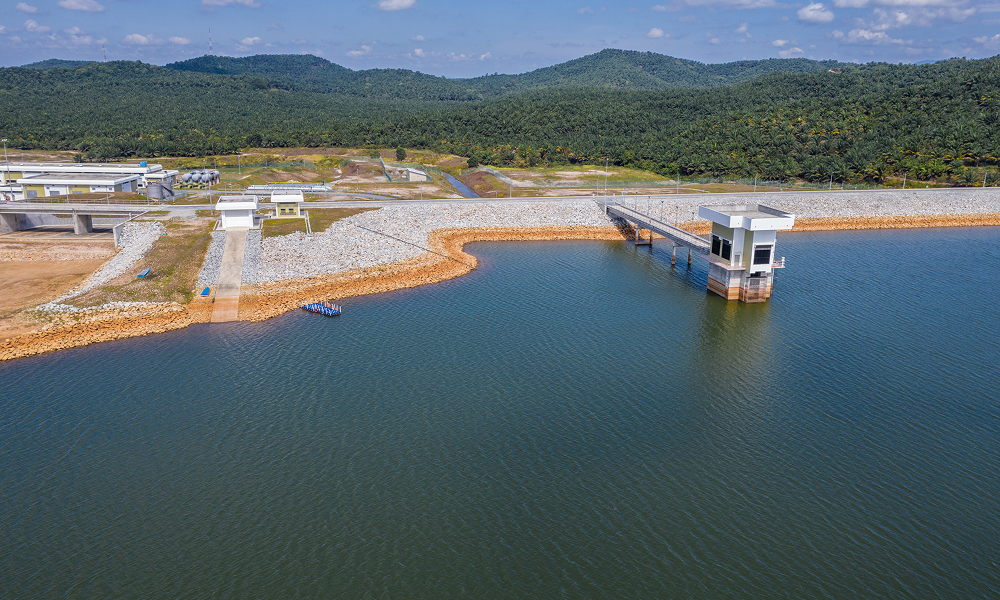
To meet the significant demand of the complex, Projek Air Mentah RAPID (PAMER) was developed an award-winning infrastructure featuring Malaysia’s first twin-pipeline system, capable of delivering up to 260 million litres of raw water per day (MLD).
These pipelines include innovative interconnections spanning the 90-kilometre route from Seluyut Dam to the Raw Water Treatment Plant (RWTP) at PIC. Approximately 230 MLD of raw water is supplied to PIC operations, while an additional 30 MLD is channelled to support Johor state’s public water supply, reflecting PAMER’s dual role in both industrial and community well-being. In addition, compensation flows from the dam support downstream ecosystems, while proactive catchment and river basin management help ensure consistent water quality.
At the Raw Water Treatment Plant (RWTP), raw water undergoes a comprehensive treatment process to produce treated water suitable for distribution. The facility operates three treatment trains to manage water processing efficiently. In alignment with our commitment to sustainable water management and the 3R principles (Reduce, Reuse, Recycle), the third train has been equipped to utilise recycled water sourced from the Storm Water Drain. This initiative contributes to the conservation of raw water from Seluyut Dam by reducing reliance on the dam’s freshwater supply by approximately 10–15% (equivalent to 6 million cubic meters per year) of the total water demand at PIC, underscoring PETRONAS’ commitment to sustainable resource management. The treated water is primarily utilised for steam generation (After undergoing further purification in Demin Units), for cooling water and for fire water system.
Extending the sustainability focus throughout the water cycle, the Effluent Treatment Plant (ETP) is an integrated facility designed to treat effluent from all PIC operations. With a treatment capacity of 4,600 cubic metres per hour, the plant uses energy-efficient and cost-effective technologies that comply with Malaysia’s Industrial Effluent Regulations (IER 2009) – Standard B.
Treated effluent is responsibly discharged through stormwater outfalls, supporting marine life protection and maintaining ecological balance, demonstrating PETRONAS’ steadfast commitment to environmental stewardship.
Contribution / leadership role
×
Industrial Gas
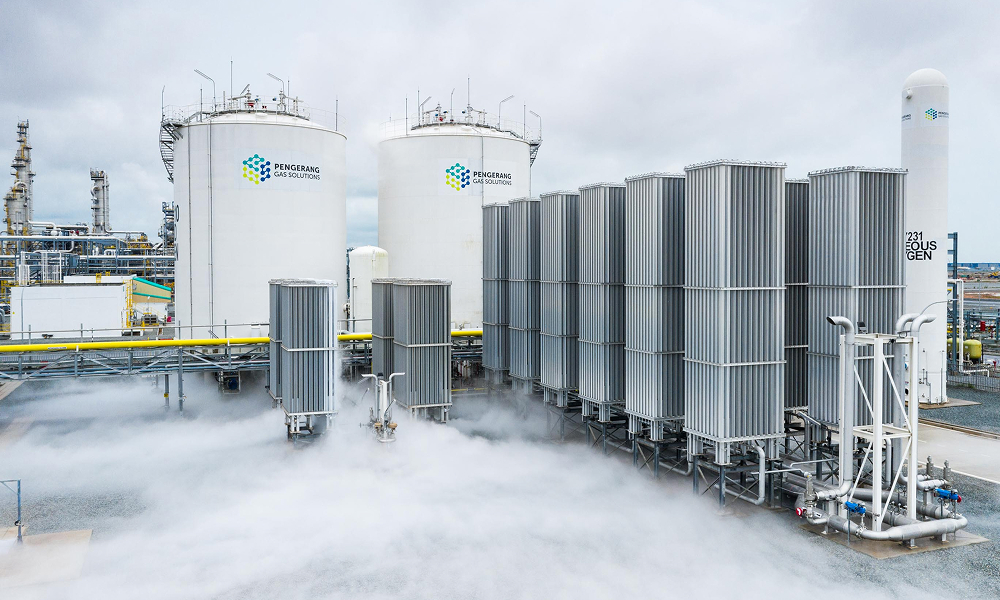
The Air Separation Unit (ASU) at PIC is able to deliver up to 1,400 tonnes of Oxygen (O2) per day and 800 tonnes of Nitrogen (N2) per day.
Utilising cryogenic fractional distillation technology at temperatures as low as -196°C, the ASU efficiently separates atmospheric air into its primary components, Oxygen (O2) and Nitrogen (N2), directly on site.
This production model not only ensures a highly reliable and consistent gas supply but also eliminates the need for complex logistics and costly transportation, optimising operational efficiency across the entire value chain.
By eliminating dependency on external deliveries, it ensures a stable, uninterrupted gas supply, directly supporting the complex’s high-performance refining and petrochemical operations.
Both Oxygen (O2) and Nitrogen (N2) play vital roles in refining and petrochemical processes—oxygen in combustion and oxidation reactions, and nitrogen in inerting, purging, and blanketing applications.
With the unit on site, PIC is equipped with a critical infrastructure asset that underpins process stability, safety, and performance.
Contribution / leadership role
×
Regasification Terminal
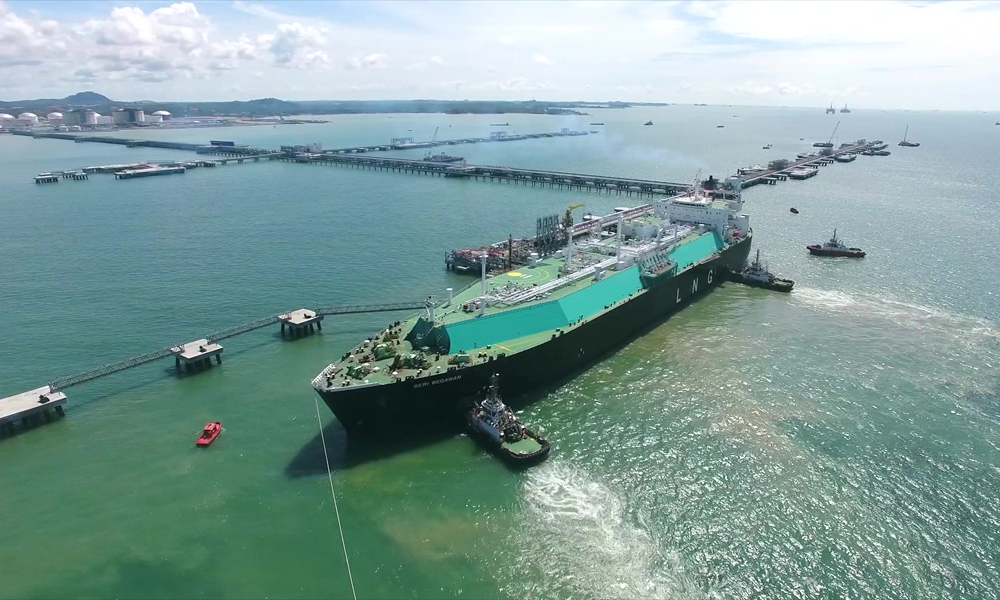
The regasification terminal plays an integral role in PIC, where Liquefied Natural Gas (LNG) is received, stored, and converted back into gas to serve two important needs — supplying energy to PIC and channelling gas into the Peninsular Gas Utilisation (PGU) pipeline network.
With a nameplate capacity of approximately 490 million standard cubic feet per day (mmscfd) and connected to the PGU through the 72-kilometre Pengerang Gas Pipeline (PGP), the terminal ensures a steady and reliable flow of gas to support both industrial and household energy demand.
The terminal also connects Malaysia to the global LNG market, receiving carriers from around the world and offering a full range of services, including:
-
LNG storage capacity of up to 537,000 cubic metres (m3), comprising 400,000 cubic metres (m3) in onshore tanks and 137,000 cubic metres (m3) in a Floating Storage Unit (FSU)
-
A dedicated LNG jetty for unloading and reloading
-
Specialised Gassing Up and Cooling Down (GUCD) services for LNG vessels
-
LNG trucking with a capacity of 43 cubic metres per hour (m3/hr)
With its scale, connectivity, and modern facilities, the regasification terminal plays a vital role in strengthening Malaysia’s energy security while supporting growth at PIC and beyond.
Contribution / leadership role
×
Laboratory
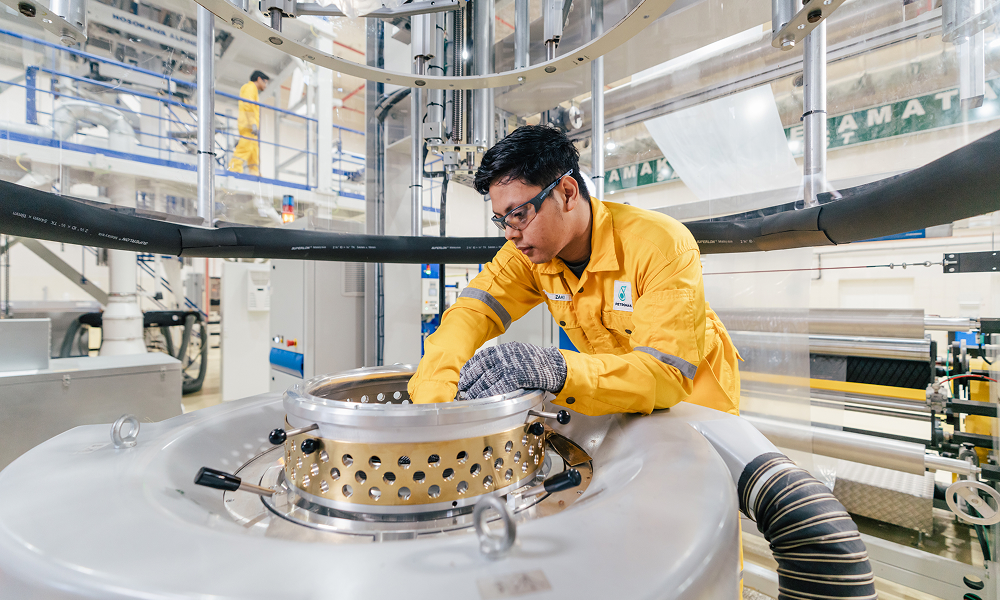
The centralised laboratory stands as a powerful enabler of operational excellence. Built to deliver comprehensive laboratory support for the refinery, petrochemical, and utilities sectors by conducting over 700,000 test annually. Our centralised laboratory ensures rigorous quality assurance, routine and non-routine testing, technical consultancy, and customer support, ensuring products meet strict safety and regulatory standards.
Our commitment to quality is reinforced by MS ISO/IEC 17025:2017 accreditation, involvement in the Proficiency Testing Programmes with both international and national standard bodies and consistently successful external audits, which underscore our adherence to the highest standards of quality and compliance.
The centralised laboratory is not just about conducting tests and ensuring quality, we are at the forefront of leveraging advanced technology to drive efficiency and traceability across all our operations. Our integration of cutting-edge digital systems for sample management, reporting, and safety is a testament to our commitment to innovation. These advancements have significantly improved our operational excellence and have been recognised with the Malaysian Institute of Chemistry (IKM) Excellence Award.
With a team of highly certified professionals, the laboratory is more than a testing ground - it is the nerve centre for quality assurance and continuous improvement.
This commitment to excellence ensures that every product from PIC aligns with global compliance standards, enhancing credibility, accelerating market access, and reducing regulatory risk.
Contribution / leadership role
×
Solid Product Warehouse
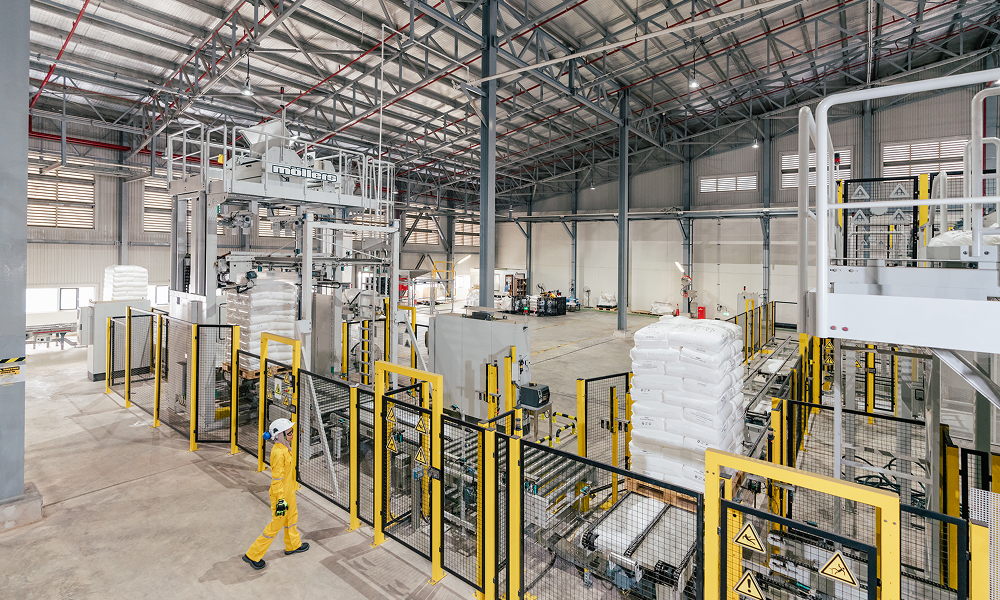
PIC features a fully automated 14 tier high-bay Solid Product Warehouse (SPW), designed for efficient storage and retrieval of finished polymer products manufactured by the complex’s petrochemical plants.
SPW is the first of such facility to be built for petrochemical plants in Southeast Asia, and it is also Malaysia’s biggest and tallest clad rack warehouse.
Featuring innovative Automated Storage and Retrieval System (ASRS) technology, it incorporates over 84,000 pallet addresses that can accommodate a 21-day storage inventory – maximising space and operational efficiency.
Within its walls, the warehouse’s intralogistics is fully integrated and managed by a sophisticated warehouse management system that ensures high precision, seamless handling, and reliable performance.
Contribution / leadership role
×
Solid and Liquid Product Jetty
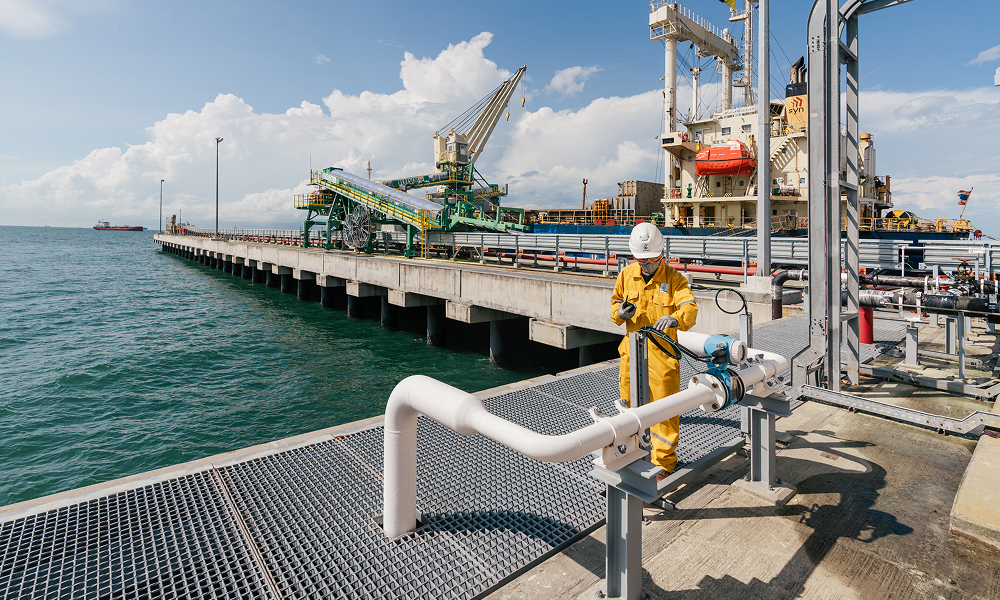
PIC’s dedicated Solid and Liquid Jetty serves as the logistical backbone of our operations, providing state-of-the-art port facilities that ensure seamless, global connectivity. The Liquid Jetty equipped with a total capacity of 1.5 million cubic meters (m3), including 1.3 million cubic metres (m3) for petroleum, an additional 200,000 cubic metres (m3) for petrochemicals, and further facilities for handling gaseous products, our Deep Water Terminal is equipped to handle high-volume imports and exports. The jetty’s impressive 24-metre water depth can accommodate a wide range of vessels, including Very Large Crude Carriers (VLCCs), and is built to be operated in all weather conditions.
Designed for maximum efficiency, the terminal features 11 berths: 5 for petroleum, 3 for petrochemicals, 2 for gaseous products, and 1 for LNG. Our unwavering commitment to safety and security is a cornerstone of our operations, reflected in our strong track record of maintaining safe operations. This performance is supported by an Integrated Management System certified to international standards, including ISO 9001, ISO 14001, and ISO 45001. Furthermore, our terminal is officially recognised as a National Asset Priority 1 by the Chief Government Security Officer (CGSO), ensuring our security aligns with the highest government standards. We are well-positioned for future growth and remain committed to delivering safe and efficient services to our customers, supported by potential expansion of berths and the availability of additional land for development.
The Solid Product Jetty adds further strength to PIC's integrated logistics, engineered for the efficient transfer and export of solid goods. With the same 12- metre water depth, it supports 1,200 twenty-foot equivalent unit (TEU) container vessels and sulphur ships ranging from 5,000 to 15,000 deadweight tonnage (DWT). The jetty features two dedicated container berths and a specialised berth for sulphur handling, enabling streamlined operations for bulk and packaged solid materials.
Further enhancing the complex’s logistics capability is the Material Offloading Facility (MOLF)—the only facility of its kind in the region. Built to handle oversized and heavy cargo, the MOLF enables direct offloading of large equipment and modules to the complex, minimising inland transport and reducing project lead times. This infrastructure advantage is especially critical for complex industrial developments requiring modular construction and heavy-lift logistics.
Together, these dedicated port facilities offer smart, integrated logistics solutions that improve efficiency, optimise costs, and speed up project delivery.
Contribution / leadership role
×
Emergency and Fire Services
At PIC, safety is more than a protocol - it's a fundamental pillar of our operations. The site is safeguarded by rigorous safety standards, designed to handle even the most complex industrial emergencies swiftly and effectively.
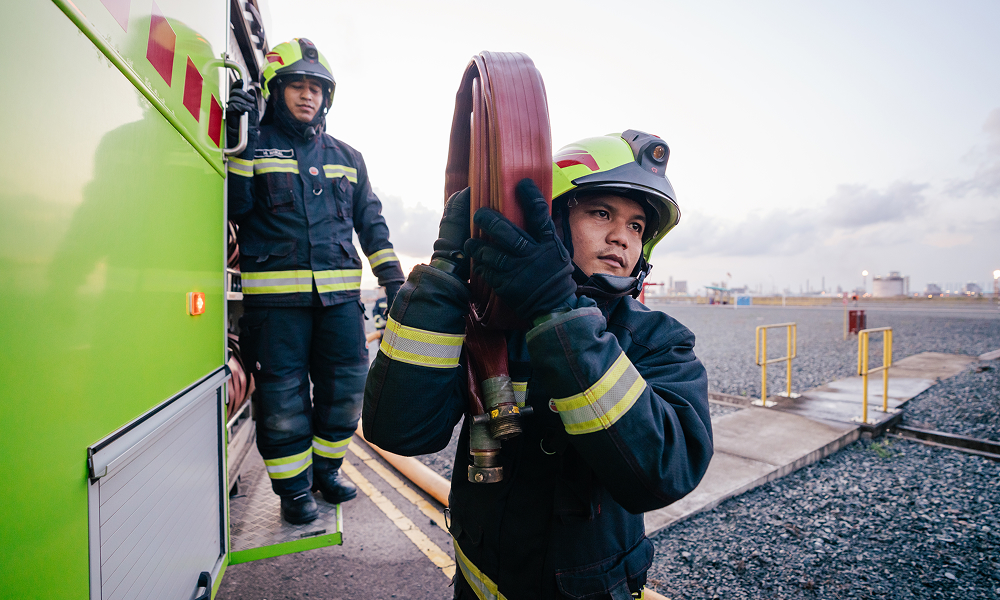
The Central Emergency and Fire Services (CEFS) is a dedicated, round-the-clock Fire Services and Emergency Response Management (FSERM) service provider responsible for rapid and coordinated responses across PIC.
CEFS is powered by a team of highly trained and skilled professionals, equipped with a modern fleet of specialised and advanced emergency vehicles, designed to support a full spectrum of response operations.
Rapid response services include:
- Fire Fighting Operation
- Hazardous Material (HAZMAT) Response
- Rescue Operation
In addition to front-line emergency response, CEFS also provides response to special services assistance, technical services and emergency response training — ensuring that every team on site is fully prepared in any emergency situations.
Our comprehensive infrastructure and services are designed to support the seamless operation of the Operating Companies within PIC while elevating the overall experience. PIC go beyond business support—fostering a balanced lifestyle and delivering unmatched convenience for both business owners and their workforce.
Strategically designed accommodations within PIC minimise manpower logistics costs and enable smooth, efficient worker mobility. This seamless integration enhances operational efficiency and reduces downtime.
More than just a place to work, PIC cultivates a cohesive, productivity-driven environment where work-life balance is a priority. With a wide range of facilities and lifestyle amenities, employees can thrive in a modern, vibrant community tailored for both professional success and personal well-being.Employee-Centric Amenities
Wide range of wellness and recreational facilities:
- Clubhouse
- Sport Facilities
- Fitness Centre
- Swimming Pool
- Sport Courts
- Driving Range
- Tennis Court
- Basketball Courts
- Leisure Area
- Cinema (Theatre Room)
- Karaoke
- Library
On-site Residential
A thoughtfully curated selection of modern residential options is available within PIC, including The HIVE Residence, The Oasis, and The Lodge. These accommodations are designed to support a vibrant on-site community, providing convenient and comfortable living spaces for professionals, executives, contractors, and project teams.
Office and Event Space
Tailored office environments for the evolving needs of businesses:
- Multipurpose Halls
- Training Rooms
- Meeting/Conference Rooms
Know more about Pengerang Integrated Complex