Copyright © Petroliam Nasional Berhad (PETRONAS) (20076-K).
All rights reserved.


Pengerang Integrated Complex

-
- Designed with Sustainability in Mind
- Building a Brighter Future
- Community & Environment
Roadmap to Cleaner Energy
From its very blueprint, PIC has embraced new technologies and innovations to enable sustainable growth and operations—driving best-in-class energy efficiency across our facilities. Through these efforts and strategic technology choices, PIC has successfully avoided 3.6 mtCO2e emissions—further underscoring our commitment to lowering carbon impact, strengthening competitiveness, and setting new benchmarks in sustainable industrial operations.
- Cogeneration Puts Heat to Work
- CO Boilers Recycle Waste Heat
- Harnessing Energy From Excess Steam
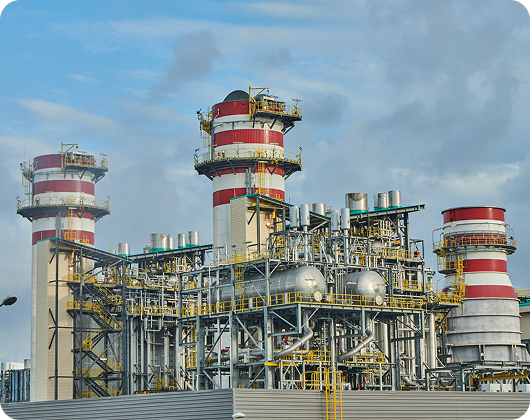
Highlights
Conversion of exhaust waste heat from power generation into an average of 1,500 tph (with installed capacity of 3,200 tph) of steam to run the steam turbines and for process purposes
Awarded "Sustainable Plant of the Year" - Asia Downstream Summit 2024
The Pengerang Cogeneration Plant (PCP) harnesses exhaust waste heat from power generation and turns it into steam for heating and process purposes.
One of the largest and most efficient gas-based cogeneration plants in Southeast Asia, PCP has installed capacities of 1,729 MW of power and 3,200 tph of steam. Using natural gas, a relatively clean fuel, PCP powers the entire PIC complex and provides reliable and continuous supply of steam to the process plants, with an additional 600 MW of power being sold to the National Grid enabling power to approximately 500,000 homes.
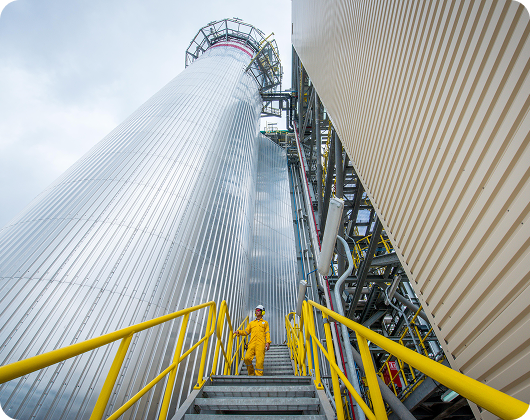
Highlights
Each boiler is capable of generating 326.7 tph steam for process use, while meeting gas emission levels
Reduction of CO2 emissions by about 1.3 million tonnes a year
PIC’s two CO Boilers are an essential component of the Residual Fluid Catalytic Cracker (RFCC) which cracks hydro-treated atmospheric residue into feedstock for the Steam Cracker.
The boilers convert carbon monoxide in flue gases into carbon dioxide and use the heat generated to transform waste heat into steam for process heating and to power turbines. In doing so, they cut down CO2 emissions by about 1.3 million tonnes a year, one of the largest contributors to Scope 1 emission reduction in PIC. Treated flue gases are safely released to the atmosphere. The steam is supplied to steam systems at the Refinery and Steam Cracker plants.
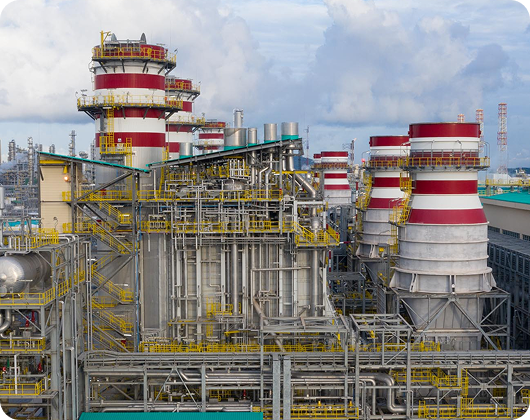
Highlights
Generation of 288 MWh of power in a year via the STG, equivalent to over 23,000 tonnes of CO2e emission avoidance
In line with PETRONAS' sustainability agenda, facilities in PIC shoot for the highest levels of energy efficiency possible.
The complex has added a Steam Turbine Generator (STG), featuring a Baker Hughes fully condensing turbine which has the capability to recycle excess steam from the LP steam header, converting it into electrical power.
During normal operations, it can convert 100 tonnes per hour of LP steam into 14 MW of electricity.
Every Drop Counts
At PIC, water is a crucial commodity. Through our sustainable water management operation, we optimise water consumption effIciency and minimise the environmental impact of its treatment.
PIC initiated the Project Air Mentah RAPID (PAMER) to ensure a reliable and sustainable water supply, incorporating water wastage prevention measures to secure long-term water availability for the complex.
- Best Management Practices in Water Treatment Operation
- Going Beyond Local Compliance
- All Water Worth Saving
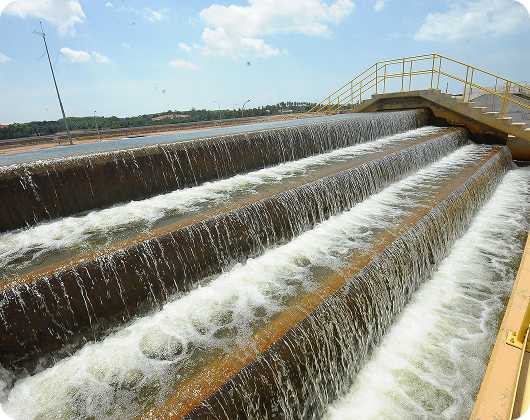
Highlights
Treatment of 260 million litres water per day (MLD) water for process use, power and steam generation, cooling water and effluent treatment
A robust 3R (Reduce, Reuse, Recycle) approach resulted in 25 MLD, equivalent to 10% of current usage, while steam-condensate recovery achieves up to 80% efficiency
PIC Raw Water Treatment Plant (RWTP) is built as a complete water recycling facility where effluent goes back into the system for further treatment. The plant has one treatment train to recycle stormwater, demineralised water and filter backwash.
Highlights
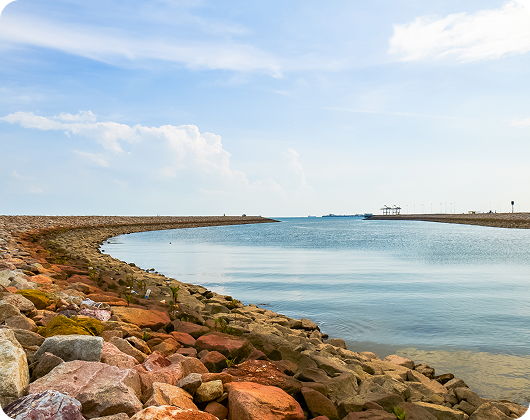
Safe discharge and regulatory-compliant of treated wastewater into the environment
Our two effluent treatment plants comply with the Malaysian and International Finance Corporation (IFC) discharge quality standards.
We adopt the segregation at source for incoming effluent to optimise the treatment, especially on chemical consumption.
In addition, we are exploring the potential of zero liquid discharge for the effluent to support business growth and increase water demand.
Highlights
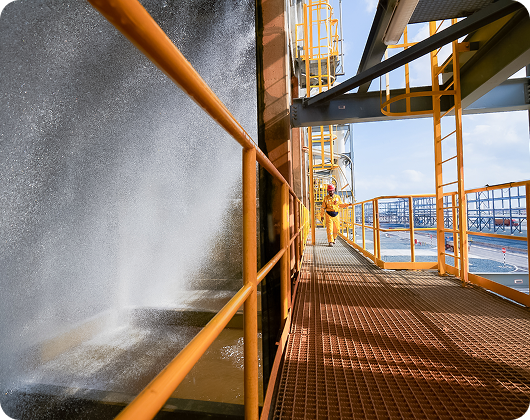
288,000 m3 in stormwater ponds for backup fire water during an emergency and as recycled water
The abundant rainfall in PIC allows rainwater harvesting in retention ponds to reuse and recycle water. Our 4.5 km main stormwater (MSTW) drainage system acts as the backbone and is designed with collection arteries to collect stormwater into the ponds.
Building a Brighter Future
At PIC, we are shaping the foundation of a brighter tomorrow—one built on clean energy, sustainable innovation, and shared progress. Through bold initiatives in solar power, electric mobility, and the nation’s first biorefinery, we are reimagining how energy is produced, consumed, and sustained. These efforts are not just investments in technology, but commitments to future generations—driving a lasting positive impact on the environment, the economy, and the communities we serve.
- Solar Power Lights The Way
- Green Mobility for the Future
- Advancing Decarbonisation Through Circular Economy Solutions
Highlights
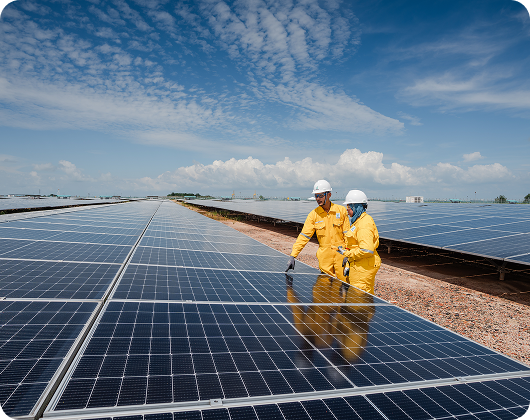
Able to annually reduce emissions by 12,000 metric tonnes of carbon dioxide equivalent (tCO2e)
Able to generate 44 MWp with an expansion opportunity of up to 200 MWp
The Solar Project marks one of PIC’s inaugural Green Energy initiatives, featuring Malaysia’s largest solar installation for self-consumption. With a generation capacity of 44 MWp, the system comprises both rooftop and ground-mounted solar panels and inverters—supporting the complex’s transition towards cleaner, more sustainable energy.
Designed with scalability in mind, the project offers an expansion potential of up to 200 MWp of ground-mounted solar capacity and is expected to deliver substantial annual emissions reductions—supporting PIC’s long-term sustainability goals.
Highlights
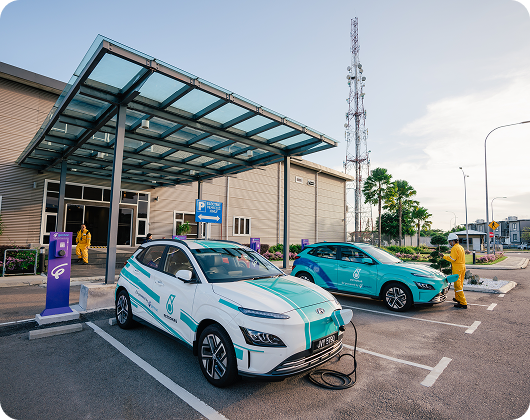
Operates a fleet of 64 EVs and 11 charging station on-site
PIC is actively advancing clean mobility through the adoption of electric vehicles (EVs) across the complex. This includes the integration of EV charging infrastructure and dedicated support for fleet transition, maintenance, and charging solutions. Currently, PIC operates a fleet of 64 EVs on-site, with plans for further expansion as part of our commitment to sustainable transportation.
Highlights
Expected to be in operations by 2028
Handle up to 650,000 tonnes per year of raw materials
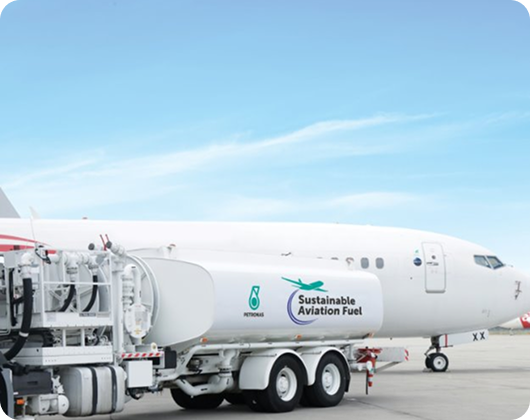
As part of PIC’s commitment to developing a lower carbon energy hub, we are actively exploring decarbonisation opportunities with a focus on circular economy investments such as biofuels. In support of this ambition, PIC will host Malaysia’s first biorefinery, targeted to begin operations in 2028. This project is a collaboration with Enilive S.p.A (a subsidiary of Eni S.p.A) and Euglena Sustainable Investment Limited (a subsidiary of Euglena Co. Ltd.). The facility is designed to process 650,000 tonnes of raw materials annually, producing low-carbon products including Sustainable Aviation Fuel (SAF), Hydrogenated Vegetable Oil (HVO), and bio-naphtha. The planned feedstock will comprise used vegetable oils, animal fats, waste from the processing of vegetable oils, and other biomass.
#ForPengerang: Empowering Communities, Enriching Lives
#ForPengerang is more than a community initiative—it is a movement to uplift lives, restore nature, and build an inclusive, sustainable future. Our mission is to uplift communities, support local entrepreneurs, and build future-ready skills for a more inclusive and resilient society. This transformative initiative encompasses a wide range of impactful programmes in:
- Community Development and Income Generation
- Empowering Futures Through Education and Skills Development
- Biodiversity Restoration and Environmental Conservation
Together, these efforts aim to enhance quality of life and unlock new opportunities—socially and economically—for the people of Pengerang. We believe in a future where every individual can thrive
- Community Development and Income Generation
- Empowering Futures Through Education and Skills Development
- Restoring Nature, Preserving Tomorrow: Our Commitment to Biodiversity and Environmental Conservation
Highlights
6 cooperatives established under #ForPengerang
Over RM17 million in cooperative income generated (2021–2024)
RM19.5 million in revenue from night markets (2017–2019)
RM500 million in contracts awarded to local companies
More than 64,000 jobs created for the local population
Our approach to community development is focused on building strong foundations that promote social cohesion. This is complemented by targeted income generation programmes that provide long-term livelihoods and economic resilience for the people of Pengerang.
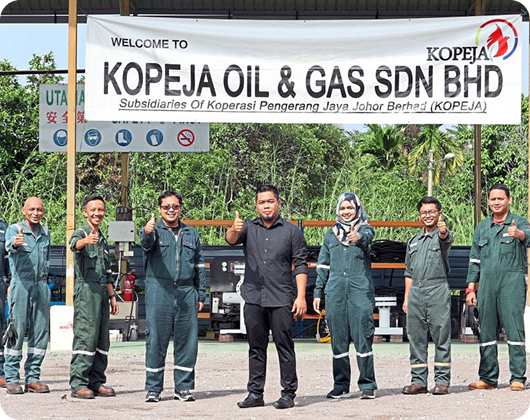
Six local cooperatives have been established under the #ForPengerang umbrella, enabling community members to participate meaningfully in the local economy. These cooperatives—spanning sectors such as oil and gas services, agriculture, food supply, and environmental services—not only generate income for their members but also contribute directly to PIC’s operations, embedding local value into our supply chain. In parallel, our e orts to stimulate microenterprise have led to the success of local pasar malam (night markets), which between 2017 and 2019 generated RM19.5 million in revenue for small traders and vendors.
These initiatives have helped catalyse over 64,000 job opportunities across various sectors, from construction and maintenance to services and entrepreneurship. They not only enhance household income but also build economic self-reliance among local residents.
By investing in social and economic development, PIC is helping shape a more inclusive, resilient Pengerang—where communities thrive, businesses grow, and progress is shared.
Highlights
Improved literacy and numeracy for 1,295 primary students
Reached 1,905 students for STEM education with a 50% increment in enrolment
Trained 340 youth and 250 locals professionals through TVET programme
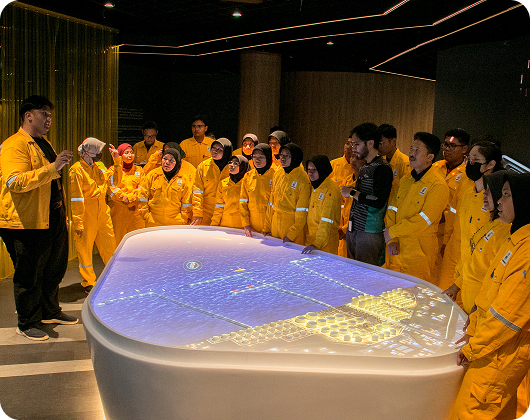
PIC is committed to nurturing future generations of innovators through a holistic and inclusive education framework tailored to the needs of the Pengerang community. By investing in foundational learning, STEM education, and vocational training, we are building a strong talent pipeline that supports both local aspirations and the demands of the energy sector.
At the primary level, the PLaN (Pengerang Literacy and Numeracy) Programme supports young learners in mastering essential literacy and numeracy skills. To date, it has improved the learning outcomes of 1,295 primary school students—strengthening their academic foundations from an early stage.
At the secondary and pre-university levels, the STEM PIC Education Programme offers academic support, career insights, industrial exposure, and hands-on learning experiences. Over the past four years, the programme has reached 1,905 students and driven a 50% increase in STEM enrolment. Its success is reflected in improved academic performance across key subjects, with Pengerang schools now ranking highly in Additional Mathematics, Physics, and Chemistry.
For post-school pathways, the SOGA PIC (Skills in Oil and Gas) Programme serves as a bridge between education and employment. It equips participants with in-demand technical skills and connects them directly with job opportunities in the energy sector. So far, the programme has trained and secured employment for 340 individuals, with an additional 250 professionals advancing their careers through targeted upskilling.
These initiatives are further supported by Vista i-Plus, which enhances workforce readiness and reduces dependency on imported labour. Collectively, they form a seamless pipeline—from classroom to career—that empowers local talent and ensures the long-term sustainability of PIC’s operations.
Highlights
30,000 mangrove trees planted in Pulau Tanjung Surat over 3 years
100,000 additional mangrove trees will be planned for future restoration phases
Over RM300,000 in conservation-related income generated for local communities
Mangrove Conservation: Reviving Coastal Ecosystems
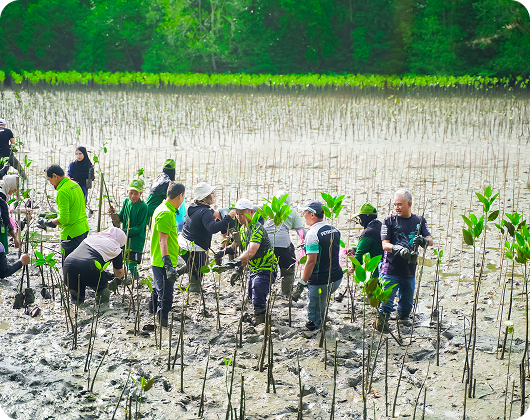
The PIC Mangrove Conservation Programme is a cornerstone of our biodiversity restoration efforts. Since 2022, more than 30,000 mangrove trees have been planted across degraded areas in Pulau Tanjung Surat, revitalising coastal habitats and enhancing the region’s natural resilience.
Mangroves play a vital role in carbon sequestration, coastal protection, and marine biodiversity support. The return of diverse species—including snails, crabs, prawns, and fish—is a strong indicator of a recovering ecosystem.
This programme is a collaborative effort between PETRONAS Refinery and Petrochemical Corporation (PRPC), Pengerang Terminals (Two), and PETRONAS Chemicals Group Berhad, driven by a shared goal of long-term ecological restoration.
The initiative has also empowered local communities to take part in environmental action— raising awareness, strengthening conservation skills, and reinforcing a sense of ownership over the natural resources that sustain them. Looking ahead, PIC is committed to expanding the programme with an additional 100,000 mangrove trees, further reinforcing our role in climate mitigation and ecosystem restoration.
Marine Biodiversity Restoration: Mussel Reef Revitalisation
In Kampung Kuala Masai, the mussel aquaculture pilot project is not only an example of sustainable resource management—it also supports the regeneration of marine ecosystems. The installation of 50,000 mussel breeding traplines contributes to improving water quality, supporting benthic habitats, and encouraging the return of native species.
This initiative aligns with PIC’s environmental goals by promoting low-impact aquaculture that complements biodiversity recovery, while also reinforcing the value of healthy marine ecosystems to coastal resilience. Together, these efforts reflect PIC’s enduring commitment to biodiversity, climate resilience, and the restoration of natural ecosystems across Pengerang. By working with nature—not against it—we are laying the groundwork for a more sustainable and balanced future.
Biodiversity and Natural Resources
PIC conducts annual marine and terrestrial ecological monitoring in the areas surrounding our operations to assess and safeguard local biodiversity. These surveys have identified several species classified as “Protected” and “Totally Protected” under both Malaysian legislation and international conservation frameworks.
To date, more than 137 species of flora and fauna have been recorded across key ecological zones—including the Northern Detention Corridor, PIC Hill, and the southern coastline.
PIC is notably home to the endangered dusky leaf monkey, listed on the IUCN Red List. These primates, recognisable by their bright orange fur as infants, are a vital part of the region’s ecological identity. Our surveys have also confirmed that PIC serves as a sanctuary for 57 species of migratory birds, of which 45 are classified as Protected or Totally Protected under Malaysian wildlife protection laws.
These findings reinforce PIC’s commitment to responsible operations and ongoing biodiversity conservation.
Know more about Pengerang Integrated Complex